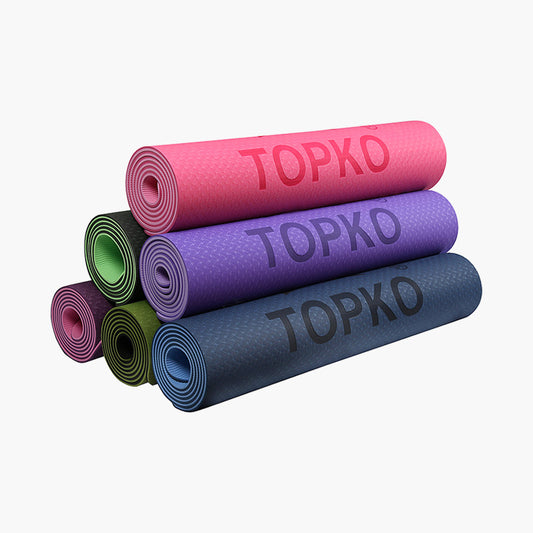
Against the backdrop of rapid growth in the global yoga market, China, as the core of the supply chain, attracts a vast number of wholesalers, brand owners, and fitness chains for OEM/ODM procurement. However, "How to avoid trademark infringement when sourcing yoga mats?" remains a critical red line for B2B buyers.
Trademark infringement can lead to goods being seized by customs, listings being removed from e-commerce platforms, and even lawsuits that severely damage your brand's reputation. As a fitness equipment manufacturer with 13 years of industry experience, TOPKO has compiled five key strategies to help you avoid potential compliance traps while building your private label.
Why is Trademark Infringement Common in Yoga Mat Sourcing?
In the international fitness trade, while yoga mats are highly standardized products, the brand design, packaging elements, printed patterns, and even the product's physical appearance can all involve intellectual property (IP) rights.
5 Core Strategies to Avoid Trademark Infringement
1. Conduct Global Trademark Searches
Before customizing your logo or product patterns, it is essential to conduct a thorough search through the official channels of your target market (such as the USPTO, EUIPO, or the China Trademark Office). Don't just check for core trademarks; be sure to screen for "defensive trademarks" across various categories.
2. Sign an IP Warranty Agreement
Integrate risk control into your procurement contract. Clearly require the supplier to warrant that the product appearance, trademarks, and packaging design do not infringe upon any third-party rights. Stipulate that the supplier shall bear the corresponding legal and financial liabilities should any litigation arise from design infringement.
3. Choose a Source Manufacturer with R&D Capabilities
"Public mold" (generic) products are high-risk zones for disputes. Choosing a factory with independent R&D capabilities, like TOPKO, ensures clear intellectual property ownership and provides compliance support aligned with the regulations of your target country (such as REACH and ASTM).
4. Strictly Control the Customization Process
OEM/ODM partnerships should be built on a foundation of legal trust. Providing valid trademark registration certificates and a Letter of Authorization (LOA) is not only a necessary step in the compliance process but also a key measure to protect your brand's exclusivity.
5. Avoid "Copycat" Products
Never pursue low-cost products that closely mimic the appearance of well-known brands. These knock-offs—often involving specific textures or color combinations—are prime targets for crackdowns by cross-border platforms and customs authorities.

How Does TOPKO Help Clients Avoid Infringement Risks?
At TOPKO, we understand that for B2B clients, compliance is a competitive advantage. With 13 years of export experience, we not only provide high-quality yoga mats but also help you mitigate IP risks through the following services:
Logo Compliance Review: Preventing potential trademark infringement issues during the printing process.
Differentiated ODM R&D: Developing exclusive textures and designs for you to avoid homogeneity disputes from the source.
Full-Process Compliance Control: Coordinating everything from packaging design to international certifications to ensure your products enter the target market smoothly.
Flexible Business Support: Offering small-batch customization solutions to meet the initial testing needs of new brands.
In cross-border trade, legally and compliantly creating differentiated products is the key to a lasting brand. Conducting risk assessments early and choosing a professional Chinese manufacturer with mature OEM experience is the secret to standing out in a competitive market.