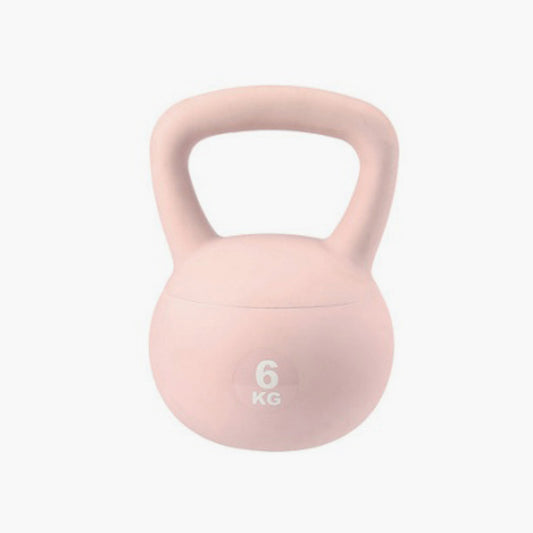
The global small kettlebell market is experiencing steady and structurally healthy growth, driven by long-term shifts toward home fitness, functional training, and diversified wellness applications.
In 2024, the market size is estimated at USD 150 million and is projected to reach USD 250 million by 2033, registering a CAGR of approximately 6.2% over the forecast period. This growth trajectory reflects not only post-pandemic consumption habits, but also a broader transformation in how individuals and organizations approach strength and functional training.
Market Growth Drivers
1. Structural Shift Toward Home & Functional Fitness
The rising adoption of home-based workout routines remains a core driver. According to data from the Global Health & Fitness Association, the U.S. fitness industry reached a valuation of approximately USD 35 billion in 2020, with a significant portion attributed to home fitness equipment. Small kettlebells—compact, affordable, and versatile—have become a preferred tool within this category.
Beyond convenience, the growth is reinforced by the global rise of functional fitness, which emphasizes full-body, movement-based training. With the global functional fitness market projected to grow at over 7% CAGR through 2030, small kettlebells are well positioned as a foundational training tool supporting strength, mobility, and endurance.
2. Broad User Accessibility and Product Versatility
Small kettlebells appeal to a wide demographic range, from beginners to advanced athletes. Their adaptability across training modalities—strength, cardio, rehabilitation, and flexibility—significantly enhances market penetration.
As of 2022, small kettlebells accounted for approximately 25% of the overall kettlebell market, underscoring strong consumer preference for lighter, more accessible weight categories. Product diversity—including cast iron, alloy steel, and ergonomic designs—further supports sustained demand across different price and performance tiers.
Market Segmentation Overview
Regional Distribution (2023)
North America: 40% (largest market share)
Europe: 30%
Asia Pacific: 20% (fastest-growing region)
Latin America: 5%
Middle East & Africa: 5%
Asia Pacific is projected to grow at a CAGR of 7.5%, driven by rising health awareness, expanding middle-class populations, and increased penetration of home fitness products.
Product Type Performance (2023)
Cast Iron Kettlebells: 65% of total revenue
Alloy Steel Kettlebells: 35% of total revenue
While cast iron products currently dominate due to cost efficiency, the alloy steel segment is expected to grow faster, supported by demand for premium, durable, and aesthetically refined products.
Application Analysis
Gyms & Fitness Centers: 55%
Household Use: 35%
Commercial, Rehabilitation & Other Applications: 10%
The household segment is the fastest-growing, with an estimated CAGR of 8%, reflecting the normalization of home training routines and compact equipment preferences.
Expanding Use Cases Beyond Traditional Fitness
Small kettlebells are increasingly adopted across non-traditional fitness sectors, including:
Rehabilitation & Physical Therapy: Controlled resistance and functional movement recovery
Corporate Wellness Programs: Space-efficient equipment for employee fitness initiatives
Professional Sports Training: Injury prevention, mobility enhancement, and strength conditioning
This multi-industry applicability enhances the product’s long-term demand resilience and positions small kettlebells as essential tools in modern health and wellness strategies.
Market Opportunities and Strategic Implications
E-Commerce and Digital Channels
The acceleration of online fitness equipment sales presents a major growth opportunity. During the pandemic, online fitness equipment sales increased by approximately 70%, and this channel continues to outperform traditional retail in accessibility and scalability.
Brands and manufacturers that strengthen digital distribution, content-driven marketing, and B2B online sourcing capabilities are likely to capture incremental market share.
Professional Partnerships and Program Integration
The increasing integration of kettlebells into group fitness classes and personal training programs further supports demand growth. Collaboration with gyms, studios, and training institutions to provide structured kettlebell programs represents a scalable expansion strategy.
The small kettlebell market is transitioning from a supplementary fitness category into a core functional training segment, supported by durable consumer behavior shifts, expanding application scenarios, and favorable regional growth dynamics.
For manufacturers and B2B suppliers, success in this market will depend on:
Product quality and material innovation
Supply chain reliability and scalability
Strong alignment with home fitness and functional training trends
Companies with established manufacturing expertise and global B2B service capabilities—such as TOPKO—are well positioned to support brands, distributors, and institutional buyers seeking long-term growth in this evolving market.