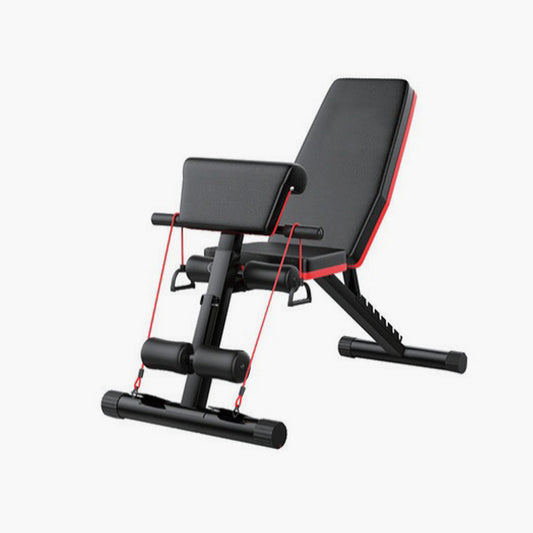
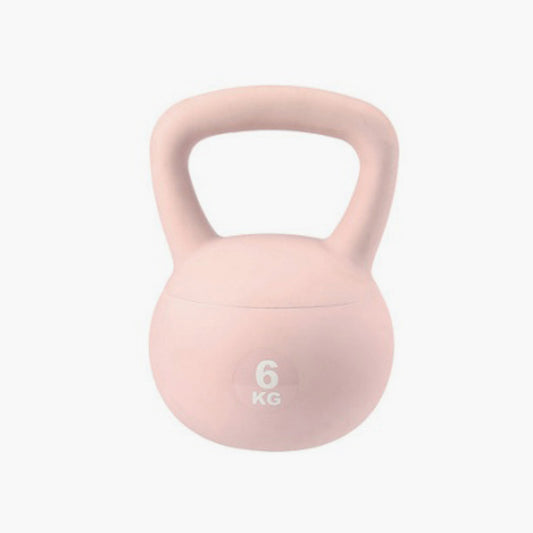
Technological innovation, an aging population, and growing health awareness are jointly driving the sports rehabilitation equipment market into a golden growth period with an annual increase of 6–8%.
The global sports rehabilitation equipment market is experiencing strong momentum. By 2025, the market size is expected to exceed USD 25 billion, with a steady compound annual growth rate of 6–8%.
This growth is powered by three major factors: accelerated global aging and the rise of chronic diseases, increasing sports-related injuries, and technological advancements that enable more efficient rehabilitation solutions.
1. Market Drivers
Demographic shifts form the foundation of market expansion. Global aging has led to a surge in chronic conditions such as stroke and osteoarthritis, driving long-term rehabilitation demand.
At the same time, from professional athletes to everyday fitness enthusiasts, rising health awareness is further broadening the user base.
Technology integration has become the key engine of growth. The introduction of AI, robotics, and smart sensors is transforming rehabilitation equipment from passive tools into intelligent partners capable of real-time data analysis and personalized training plans.
2. Product & Regional Landscape
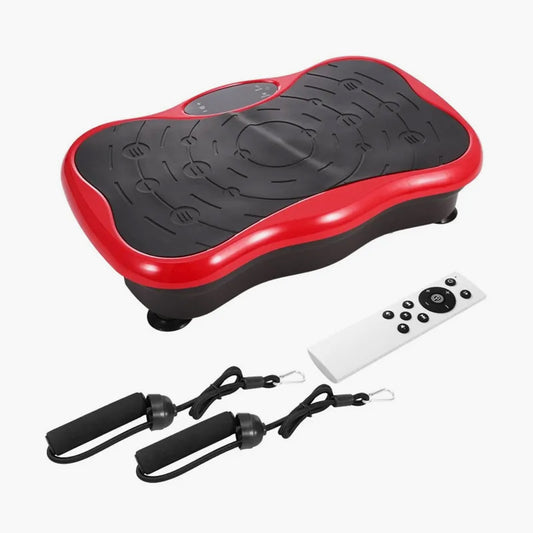
The product ecosystem is becoming increasingly diverse. From gait trainers to whole-body vertical vibration systems, product categories are rapidly expanding. Among them, manual mobility aids—due to their cost-effectiveness and user-friendly design—continue to dominate several sub-segments.
Regionally, North America maintains its leading position thanks to its advanced medical infrastructure and favorable reimbursement policies.
Meanwhile, the Asia-Pacific region is emerging as the fastest-growing market. In particular, China’s government-driven initiatives to support the rehabilitation equipment industry are creating significant new opportunities.
3. Application Scenarios & Competitive Landscape
Rehabilitation usage is rapidly shifting from medical institutions to home environments.
Hospitals and rehabilitation centers remain the primary market, but home-based care has become the fastest-growing segment. The adoption of portable and smart home-rehabilitation solutions makes it possible for patients to perform professional training at home.
The competitive landscape is diverse. Global leaders such as Ottobock and EKSO BIONICS dominate the premium segment with strong technological capabilities.
Meanwhile, Chinese domestic companies like Guangzhou Longest Science & Technology and Henan Xiangyu Medical are steadily gaining ground through localized service advantages.
4. Future Trends
The future market will be shaped by intelligent, personalized, and home-oriented rehabilitation solutions.
Deep integration of AI and robotics will enable more precise training programs, and the portable device segment holds enormous potential.
Global trade policy shifts also introduce uncertainty. Companies must remain agile in adjusting supply chains and market strategies to navigate these challenges.
From major medical institutions to everyday household environments, sports rehabilitation equipment is becoming more widely accessible, forming a dynamic and innovative global industry.
For investors and industry professionals, now is the time to seize emerging opportunities and position strategically for the future.