
According to the latest industry report, the global treadmill market is expected to exceed 53 billion RMB by 2025, with a compound annual growth rate (CAGR) of around 7% from 2025 to 2030. By 2030, the global market size is projected to reach 72 billion RMB. The Chinese market is experiencing even stronger growth, with an expected market size of 35 billion RMB by 2030, accounting for over 38% of the global market share. The CAGR for China is expected to reach 12% during the same period, making it the core growth engine for the global treadmill industry. This report delves into the industry's development trends, analyzing market size, product technology, competitive landscape, and policy environment.
1. Global and Chinese Markets: Scale and Growth Drivers
Global Market Steady Expansion
The global treadmill market is characterized by both "overall growth and structural upgrades." By 2025, the market size is expected to increase by 38.6% compared to 2023 (38.248 billion RMB), with an average annual growth rate of 10.3%.The main drivers of growth include:
Expanding Fitness Population: By 2025, the global fitness population is expected to exceed 800 million, with household fitness penetration rising to 65%.
Technological Iteration Driving Replacement Demand: The share of smart treadmills will continue to rise, and by 2030, smart models are expected to account for over 60% of the market share.
Chinese Market: Leading the Global Growth
The Chinese treadmill market is exhibiting a "home-use dominance, commercial use acceleration, and steady export growth" structure:
Market Leap: By 2025, China's market size is expected to exceed 20 billion RMB, reaching 35 billion RMB by 2030, with a CAGR of 12% from 2025 to 2030, 1.7 times higher than the global average.
Policy and Standards Driving Growth: The implementation of the "Treadmill Safety Technical Specifications" in 2025 will mandate emergency braking, heart rate warnings, and other features, increasing the industry’s average price by 10% and accelerating the elimination of low-end products.
2. Product Trends: Smart, Scenario-Based, and Technological Innovation
Smart Connectivity Becomes the Core Track
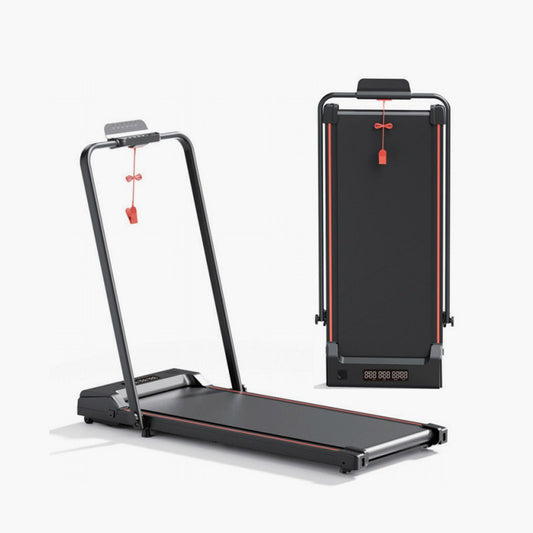
Feature Integration: Smart treadmills use IoT and AI algorithms to enable data tracking, virtual courses, and social competition features.For example, models equipped with quantum sensors can achieve micron-level motion data collection, improving exercise effect evaluation by 90%.
Market Performance: The global market for smart connected treadmills continues to grow, with leading companies like ICON Health & Fitness, Life Fitness, and Technogym holding the majority of market share.
Explosive Growth of Niche Products for Specific Scenarios
Home Market: The solidification of home fitness habits is driving the growth of home treadmill models, with China's household fitness penetration already at 65%.
Commercial Market: Demand from gyms and hotels remains stable, with the global commercial treadmill market projected to grow at a CAGR of 4.4% from 2025 to 2031.The commercial smart electric treadmill niche market is expected to grow from 5.85 billion USD in 2024 to 6.77 billion USD by 2031.
Differentiated Products: There has been a significant increase in specialized models for groups like the elderly and women, with sales of low-impact treadmills for the elderly expected to increase by 50% by 2025.

3. Competitive Landscape: Concentration and Differentiated Competition
Market Share Concentrating Among Leading Brands
By 2024, the top five global brands will account for about 62% of the market share, with Qiaoshan Health (18%), Shuhua Sports (15%), and Keep (13%) ranking in the top three.
International brands such as Precor and Technogym hold less than 8% of the Chinese market share, with domestic brands dominating the market thanks to their channel advantages and cost benefits.
Survival Strategies for SMEs
Focus on Niche Markets: SMEs are focusing on niche markets such as the elderly economy, women's fitness, and children’s physical fitness, expanding into lower-tier cities through a “one city, one policy” approach.By 2025, sales in these lower-tier markets are expected to account for 25% of the total.
Increased Investment in Technology: Leading enterprises invest more than 8% of their revenue into research and development.For example, Shuhua Sports will invest 120 million RMB in R&D in 2024, focusing on technologies such as noise reduction in motors and shock absorption in treadmill belts.
4. Technological Frontiers: Functional Innovation and Ecosystem Development
Smart Technology Enhancing User Experience
AI Adaptive Adjustment: AI-powered adaptive systems will monitor user heart rate and gait in real time, automatically adjusting incline and speed. By 2030, these systems are expected to reduce exercise-related injuries by 70%.
Metaverse Integration: Virtual environments and global racing features are emerging as attractive selling points, enhancing the social aspect of treadmill use and engaging users in new, interactive ways.
Collaborative Innovation Across the Industry
Upstream Component Improvements: The upgrade of key components such as high-torque motors and shock-absorbing materials is enhancing product durability and energy efficiency.
Downstream Fitness Ecosystem Expansion: The integration of health management platforms and subscription-based fitness programs is driving higher user engagement and long-term retention.
5. Challenges and Opportunities
Major Risks
Fluctuating Trade Environment: Changes in global trade policies, especially U.S. tariff adjustments, may disrupt supply chains and impact the competitive landscape.
Cost Pressures: Volatility in raw material prices, coupled with rising R&D investments, could squeeze profit margins for smaller manufacturers.
Future Opportunities
Sustainability and Green Development: Eco-friendly materials and energy-efficient designs are gaining momentum, creating new growth opportunities.
Global Expansion: Chinese treadmill brands are accelerating their international expansion, with exports expected to rise by 20% year-on-year in 2025. Southeast Asia and Europe are emerging as key markets for Chinese exports.
The global treadmill market is transitioning into an era of smart, personalized, and service-driven growth. Over the next five years, China will lead the global market with a 12% annual growth rate. Driven by technological innovation and regulatory reforms, the industry is poised for high-quality development. Companies must focus on R&D, specialize in niche markets, and build integrated fitness ecosystems to capitalize on opportunities in this rapidly evolving landscape.